TMJ Treatment – Fresno
We Treat Your Jaw Pain at the Source
The jaw is responsible for many complex movements, whether it’s chewing your favorite foods, speaking, yawning, or opening your mouth when it’s time for your professional routine cleaning. However, it’s not normal to be experiencing chronic discomfort in your jaw when you wake up or throughout the day. If these symptoms sound familiar, there’s a chance you may be suffering from undiagnosed TMJ disorder or TMD. Call our dental office to learn how we can help you manage your discomfort once and for all with TMJ therapy in Fresno, CA.
Why Choose Shinkawa Dental for TMJ Treatment?
- Improved Diagnostics Via Digital X-Rays and Digital Impressions
- Custom-Made Occlusal Guards Designed by Our Dentists
- Patient-Focused Dental Team with Decades of Experience
What Is TMJ Disorder?
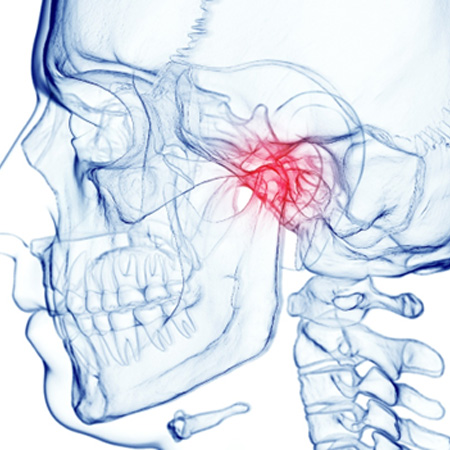
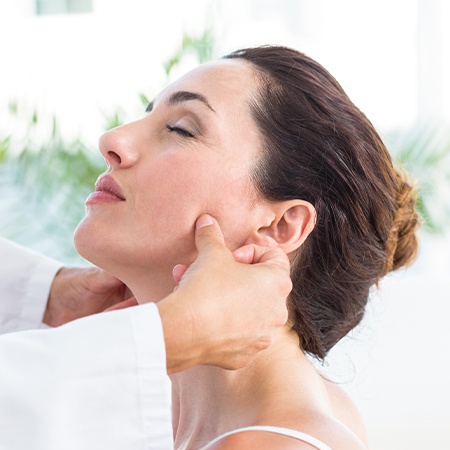
The TMJs are small sets of hinges that are located in front of your ears. This joint is what allows your lower jaw to move up and down when you speak, laugh, and talk. The TMJs are some of the most complex joints in the whole body, so it can be bothered by a misaligned bite, teeth grinding, and other factors. When the TMJs are disturbed, this is referred to as TMJ disorder, or TMD.
Symptoms of TMJ Disorder
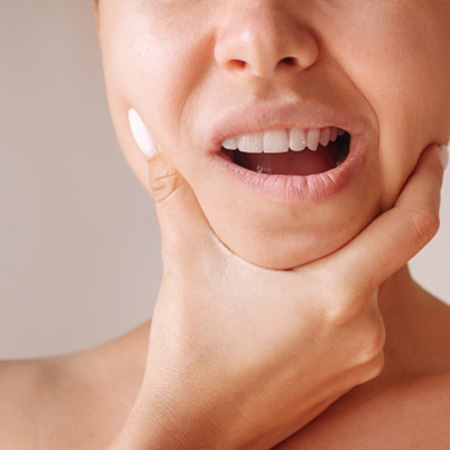
There are a variety of symptoms that those with TMJ disorder experience. Here are some of the most prominent ones.
- Headaches: One of the most underdiagnosed causes of frequent headaches is TMJ disorder. The jaw muscles become tense, strained, and overworked, so it is easy for this to affect nearby muscles in the head.
- Ear Pain: Since the TMJs are located next to the ears, having a dysfunctional joint can easily result in ear pain. It can also cause ringing in the ears, known as tinnitus.
- Face/Jaw Pain: Jaw stiffness and pain are the most common symptoms of TMD. It can be difficult to chew comfortably, and lockjaw is very common.
- Bruxism: Teeth clenching and grinding can be caused by daily stress, a misaligned bite, and TMD. It usually happens during sleep and can overwork the jaw muscles leading to additional pain.
Types of TMJ Treatment

Before we can prescribe a treatment plan for your jaw pain, we must first confirm what symptoms you are experiencing and when they occur. Upon asking you a series of questions, we’ll gently examine your mouth and jaw to better understand your condition. In most cases, we’ll also capture digital X-rays of your jaw, observe its range of motion, and listen and identify areas of discomfort. From there, we’ll be able to determine the best treatment option based on your needs. Here are two treatment methods that we offer.
Occlusal Splint
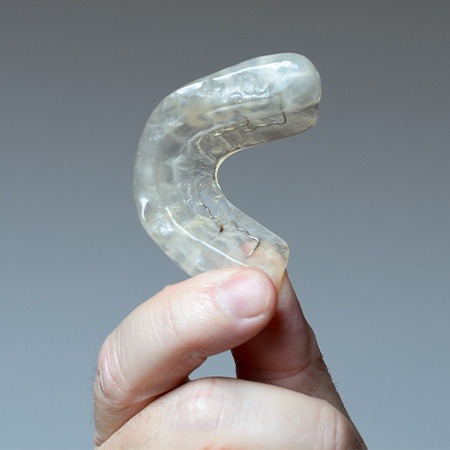
In other cases, TMJ disorder can be managed at home by making minor changes to your day-to-day habits as well as using a dedicated oral appliance known as an occlusal splint. This custom-made dental mouthguard is designed to shift the position of the jaw to stabilize it and ease muscle tension. More often than not, this appliance is worn at night when jaw movements are the most common, which is also the case for those managing bruxism (chronic teeth grinding and clenching.)
Equilibration/Occlusal Adjustment
While there are many causes of TMJ disorder, including untreated bruxism, it’s also possible that your bite is uneven due to a misplaced or worn-down restoration pushing it out of equilibrium. In order to ensure harmony between your upper and lower arches, we may need to either replace old restorations or make slight modifications to your existing enamel. This ensures that your bite is no longer uneven nor applying disparate pressure to your jaw joints.